Document helps lawyers effectively and efficiently respond to Georgia State Bar complaints
On June 1, 2013, Douglas Chandler of Chandler Law published his latest white paper: How to Deal with State Bar Disciplinary Matters. The white paper presents recommendations for reacting to every stage of the Bar complaint process, from initial notification through the public Formal Complaint stage reviewed by the Georgia Supreme Court.

Part 1 – Making the right decisions now may save you time, money, and hassle later on.
I often speak with prospective legal malpractice clients who say they wish they had made a better choice in lawyers. To be fair, a lot of lawyers I defend in disciplinary cases also wish they had avoided the problem client. Based on the positive feedback I received from a recent presentation on this topic, here are some tips to help you (as the potential client) choose the best lawyer for your specific needs.

“My lawyer’s bad advice caused my business to fail.”
To this point, we’ve discussed legal malpractice claims from both the plaintiff’s (person suing) and attorney’s perspective, including ways to create and maintain a solid attorney-client relationship that minimizes the chances of a future claim. In this installment of the article series, we will review some types of damages that are likely to be claimed in a legal malpractice claim involving the failure of a business or lost opportunity.
Understanding the Requirements for a Legal Malpractice Case - Part 5
How could my client sue me?
In Part 4 of this series, we discussed the attorney-client relationship from the client’s perspective. While there is some useful information in there for lawyers, it’s worth dedicating this final article of the series to helping you ensure that all your attorney-client relationships are entered into knowingly and intentionally.

Can I sue my lawyer?
In Parts 1 and 2 of this series, we covered two of the three essential elements of a legal malpractice claim:
On March 28, 2013, Douglas Chandler of Chandler Law and Aubrey Smith of ProAssurance presented their risk management CLE seminar to the members of the Appalachian Bar Association in Blue Ridge, Georgia.
Assigning Legal Malpractice Claims
On March 18, the Georgia Supreme Court released its opinion in the Villanueva vs. First American Title Company case. The court held that legal malpractice cases involving underlying property and money damages are assignable. Affirming the lower Court of Appeals, the GA Supreme Court wrote that legal malpractice claims are “not per se unassignable.” The big question is whether this outcome will impact the number of legal malpractice claims in the future. I doubt it, and a number of experts agree.
On March 6, 2013, Douglas Chandler of Chandler Law LLC was invited to present to the Fulton County Business Court Judges and Staff Attorneys on the topic of Legal Malpractice. The goal of the interactive presentation was

Can I sue my lawyer?
Having represented many clients in legal malpractice and State Bar disciplinary matters, I can’t begin to count how many phone calls have started with that question. Non-lawyers (and even some lawyers), are surprised to learn that the answer is often more complicated than they think. In the first two parts of this series, we focused on some elements that you must satisfy in order to have a viable claim against your attorney.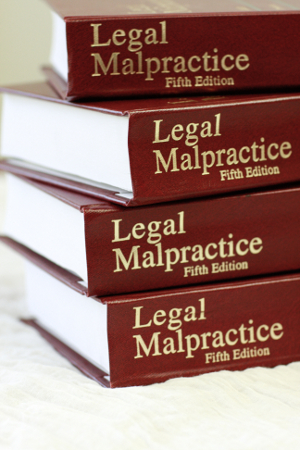
As I mentioned in Part 1 of this series, you’ll need to fulfill at least three essential elements in order to have a valid legal malpractice claim:
- There was an attorney-client relationship, or at least a good faith basis for relying on the attorney.
- The attorney failed to exercise ordinary care, skill and diligence.
- Damages (loss of money, property, health, etc.) were caused by the attorney's failure and not some other factor. As discussed in Part 1, the underlying damages must have been collectible.
